
Co-founder & CEO, Design Sprint Academy · Facilitator · Trainer · Keynote speaker
John Vetan
Helping teams work through difficult questions—and decide what to do next.
For more than 20 years, I’ve worked on the challenge of turning ideas into products and services people need.
Today, I help leadership teams frame the right problems, decide where AI can make a difference, and rethink how work gets done. I also train the people who will lead those conversations inside their own organizations.
I’ve worked with teams at Google, SAP, Adidas, HSBC and The World Bank.
John and the Design Sprint Academy are a highly professional team. They helped to identify the right problems, generate a context that was needed to find the right answers, and enabled our team to have creative exchanges and take a significant step forward in our project. All this considered our needs and was tailored during the process.

20+ years
Across digital product development, entrepreneurship and facilitation.
Co-founder, Design Sprint Academy
Helping teams apply Design Sprints and Problem Framing since 2017.
Invited by Google
To teach Problem Framing in 2018, followed by repeat speaking invitations to SprintCon.
Building internal capability
Training facilitators and helping organizations establish their own AI Labs.
- 15+ yearsFounder and CEO of a digital agency building software and digital products
- 2017Founds Design Sprint Academy and runs the first Design Sprint trainings in the world
- 2018Creates the Problem Framing method and is invited by Google to launch it
- 2025Co-creates AI Problem Framing and the AI Workflow Sprint
- TodayInstalls AI Labs that help organizations decide what to build with AI
My story
Hi, I’m John.
Before Design Sprint Academy, I ran a digital agency for more than 15 years. We built custom software and digital products for startups and established organizations. We had strong engineers, good design instincts, and the ability to turn an ambitious brief into something real.
But too often, the trouble started after launch.
Products we were proud of struggled to find customers. The work had been delivered, but the problem we thought we were solving was still there. That was hard to admit, because we were good at building things.
We knew how to build things right. We needed a better way to establish whether we were building the right thing.
In 2016, I started using Design Sprints to scope client projects before we wrote code. One of those early sprints was with a group of attorneys in New York City. In a few days, we mapped what needed to change, agreed on the scope, and put a prototype in front of real users.
What stayed with me was the confidence the team gained. They had worked through the questions together and tested something tangible. They had a much stronger basis for deciding how to proceed.
That experience changed the direction of my work.
In 2017, Dana and I founded Design Sprint Academy. We began by sharing how we used sprints in our own client projects. Other teams wanted to learn, so we started training them.
In 2018, Google invited us to teach Problem Framing. Further invitations followed, including their Sprint Conference and events in London.
Since then, our work has continued to evolve through the challenges teams bring into the room—from framing product opportunities to redesigning workflows with AI.
The question that started it all still guides me: how do we help a team make a sound decision before it commits time, money and people?
The expertise is in how you guide the work.
In a difficult workshop, people bring different priorities, different information, and different ideas about what needs to happen.
My role is to give that conversation structure. To ask the question that needs more attention. To bring assumptions into the open. To make room for disagreement and help the team work through it.
Sometimes that means slowing down a discussion that has jumped to solutions. Sometimes it means helping a team move forward when it has been circling the same question for weeks.
The people in the room know their business. I help them use that knowledge together, examine their options, and reach decisions they can explain and act on.
What I do now
Helping teams decide where AI belongs in their work.
Today, much of my work is with leaders who have started experimenting with AI and are finding it difficult to turn that activity into meaningful progress.
There are pilots underway, plenty of ideas, and pressure to show results. Different teams have different views on what deserves investment.
These are consequential conversations. They need the people who understand the work, a clear process, and enough room to challenge the starting assumptions.
Through AI Problem Framing, I help teams examine the problems behind their proposed use cases and decide which are worth pursuing.
Through AI Workflow Sprints, I guide teams as they map how work happens today, explore where AI could help, and test a redesigned approach.
For organizations that want to make this an ongoing practice, I help establish an AI Lab: a structure for bringing people together regularly to investigate opportunities, test ideas, and make informed decisions. I train internal AI Facilitators to lead that work themselves.
In the room
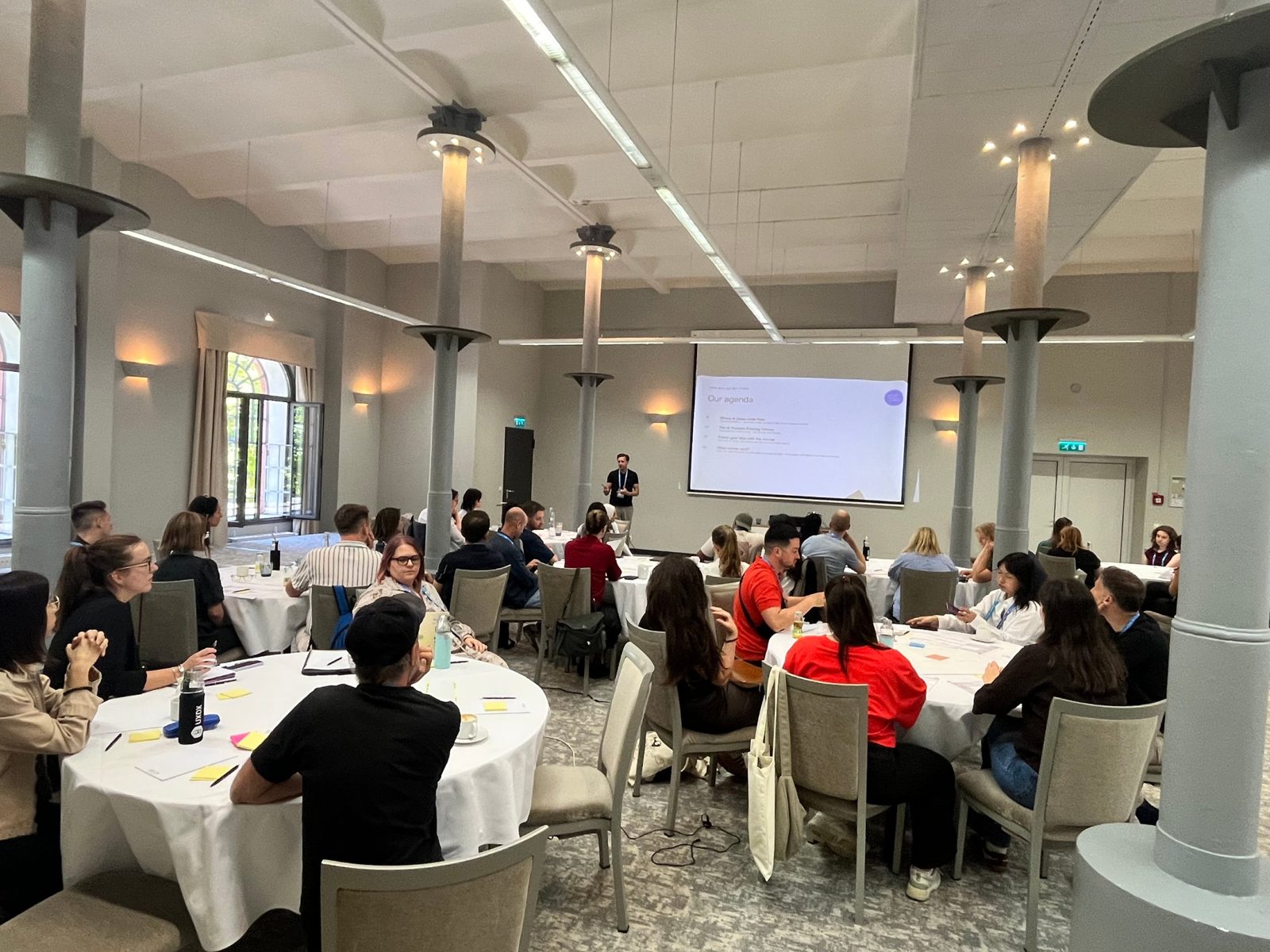
Workshops and trainings around the world
From Problem Framing at Google in San Francisco to AI Facilitator Training in Saudi Arabia, an AI Capability Program in Dubai and Innovation Days in Krakow, I help teams work through complex questions and build the skills to lead this work themselves.
Take a look inside the workshops and trainings I run across the globe.
Nupco
Alec Holdings
Philip Morris
Nupco
Nupco
Keynotes
Conversations I bring to the stage.
My talks draw on the questions I encounter while working with teams: where AI can make a meaningful difference, what gets in the way, and how leaders can help people move forward.
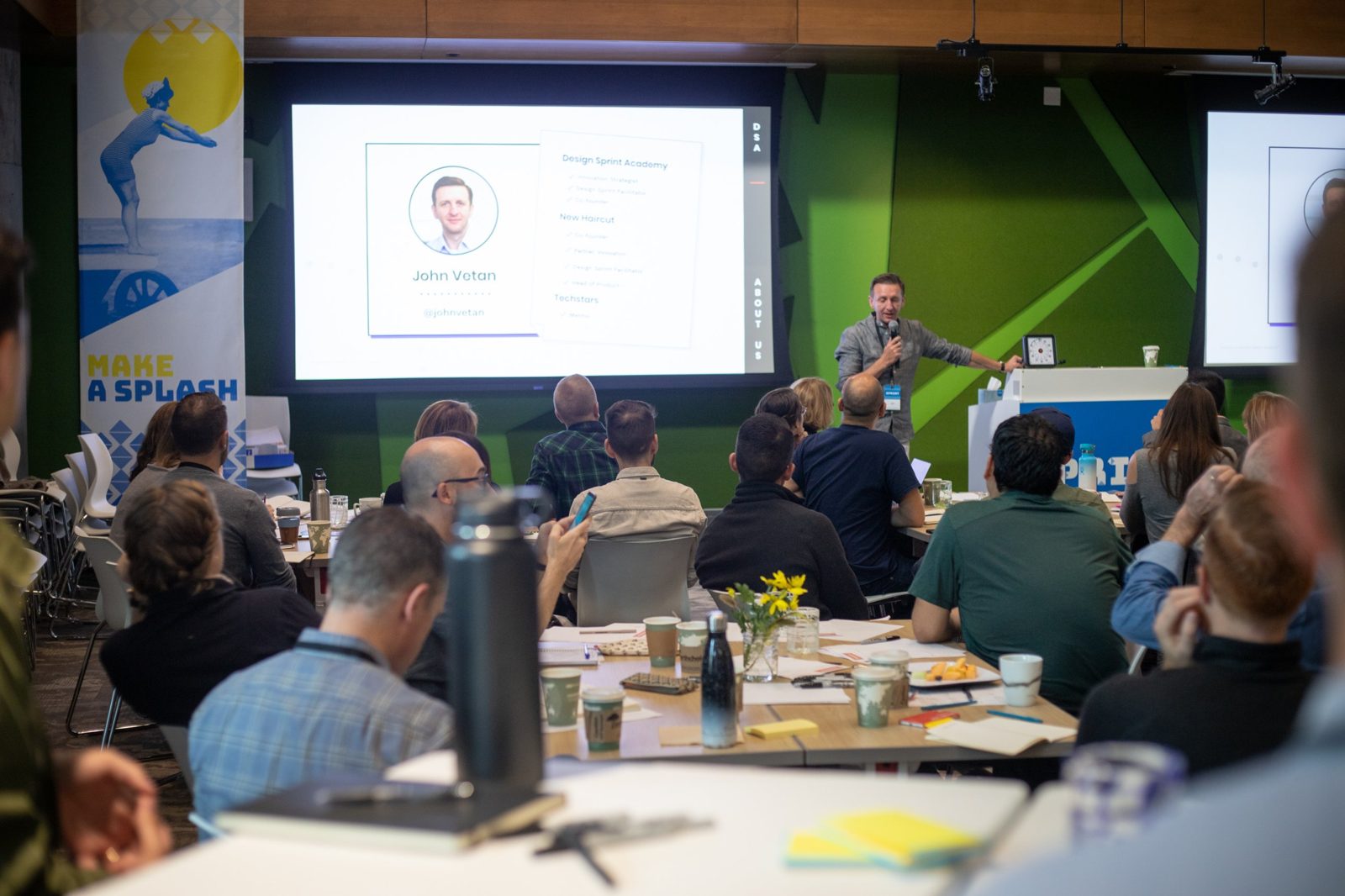
Adoption isn’t transformation
What needs to change in the way an organization works for AI adoption to produce meaningful results.

Judgment before AI
How teams examine a promising idea, challenge its assumptions, and decide whether it deserves investment.
Redesigning work around AI
How to involve the people doing the work in mapping, redesigning and testing it.

From AI Champions to AI Facilitators
The skills, structure and support people need when encouraging AI adoption becomes a responsibility for guiding change.

Making AI ROI visible
How teams connect experimentation to clear problems, useful evidence and better investment decisions.
Beyond the workshop room
Still building. Still asking questions.
I recently built Bookked, an AI-powered CRM for workshop facilitators, because I wanted a tool that worked the way facilitators actually work.
Building a product keeps me close to the questions I help other teams explore: what matters to the people using it, which assumptions need testing, and what deserves attention next.
I still enjoy making things. And after more than 20 years, I’m still interested in what happens before the building begins—when people bring their experience together and work out what is worth doing.
Let’s talk about what your team needs to work through.
You may have an AI opportunity to examine, a workflow to rethink, or a leadership team that needs to agree on where to focus.
Tell me what you’re facing. We can discuss the decisions ahead and whether a facilitated workshop, training, or an ongoing AI Lab would help.


