How ALEC built an operating model for AI investment decisions and AI workflow redesign
The starting point: too many good ideas, no shared way to choose
ALEC Holdings is one of the Gulf’s largest construction companies, delivering some of the region’s most ambitious projects across the UAE and Saudi Arabia. Many of these developments are worth hundreds of millions of dollars. By its own measures, the company is already ahead of most of the construction industry when it comes to AI adoption. Thousands of employees use approved AI tools in their daily work, a custom AI agent is already running in production, and an established Innovation Champions network is helping spread AI across the business.
The next challenge wasn’t generating more ideas. It was deciding which ones deserved attention.
Across finance, procurement, design, project management, HSE, and site operations, teams were identifying valuable opportunities everywhere they looked. The pipeline quickly filled with strong proposals: tools to spot cash flow risks before they grew into larger problems, faster search across project documents, automated reviews of contracts and bank guarantees, early warnings for schedule delays, computer vision for quality inspections on site, and easier access to answers from live project data.
All of these ideas were great. Most had clear business value. The challenge was deciding which ones should move into development first.
With so many credible opportunities competing for the same resources, leadership needed a consistent way to compare them. Which initiatives would create lasting business value? Which would consume months of engineering effort without changing how the company operated? Those questions were becoming harder to answer as interest in AI continued to grow.
Before the program began, ALEC’s leadership captured the challenge in a simple idea: technology wasn’t going to create the advantage. Good judgment would.
The organization already had the enthusiasm. It already had the ideas. What it needed was a repeatable way to evaluate opportunities, prioritize investments, and deliver the initiatives with the greatest impact.
That became the goal:
Build a decision-making capability that could cut through the ambiguity of AI and scale across the business, turning good ideas into impactful results.
What does an AI Capability Program look like?
The program ran over four days, with each stage building on the last.
Day 1: Setting the direction, then building the capability
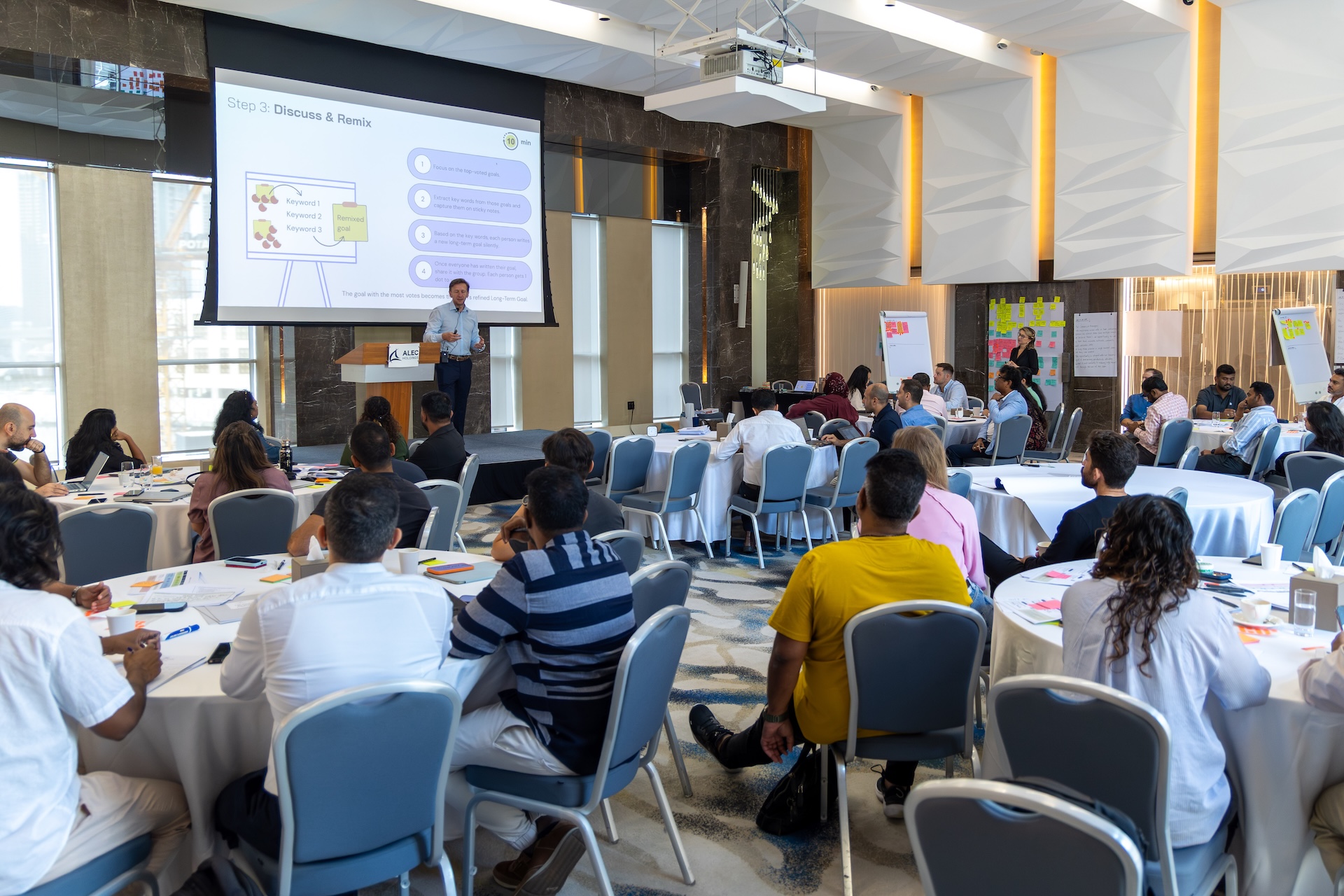
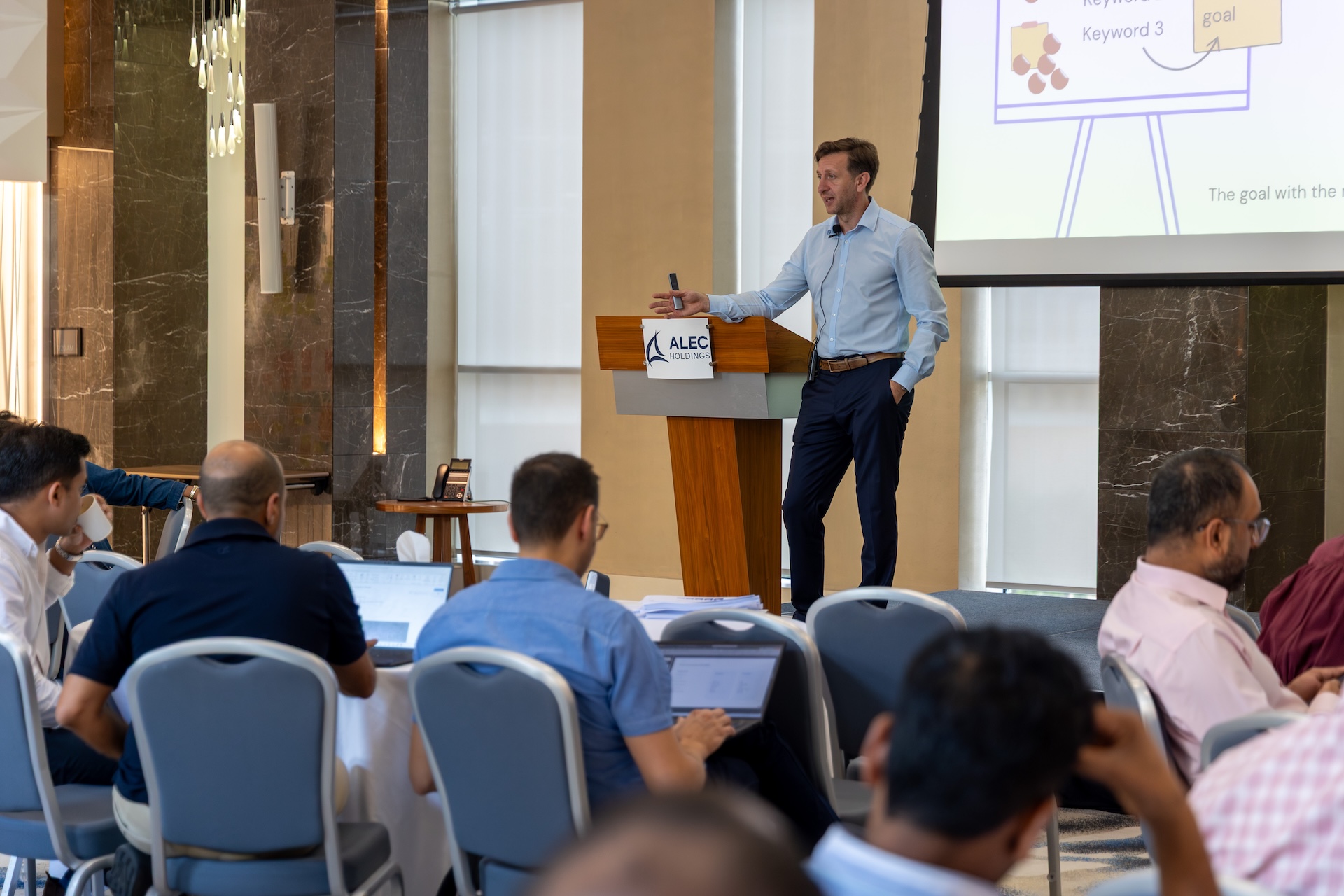
The first morning brought together more than 130 participants, including senior leaders, executive sponsors, Innovation Champions, and the IT team, for a three-hour executive session.
The session had three goals.
First, it established a shared understanding of AI - as a technology that has evolved rapidly over the past few years. It covered how the latest generation of general-purpose AI changed what businesses can do and where ALEC’s existing AI work already fits into that picture.
Next, the discussion shifted from technology to business value. We explored the full spectrum of AI applications, from personal productivity and internal automation to entirely new ways of working in construction, supported by practical examples focused on measurable business outcomes.
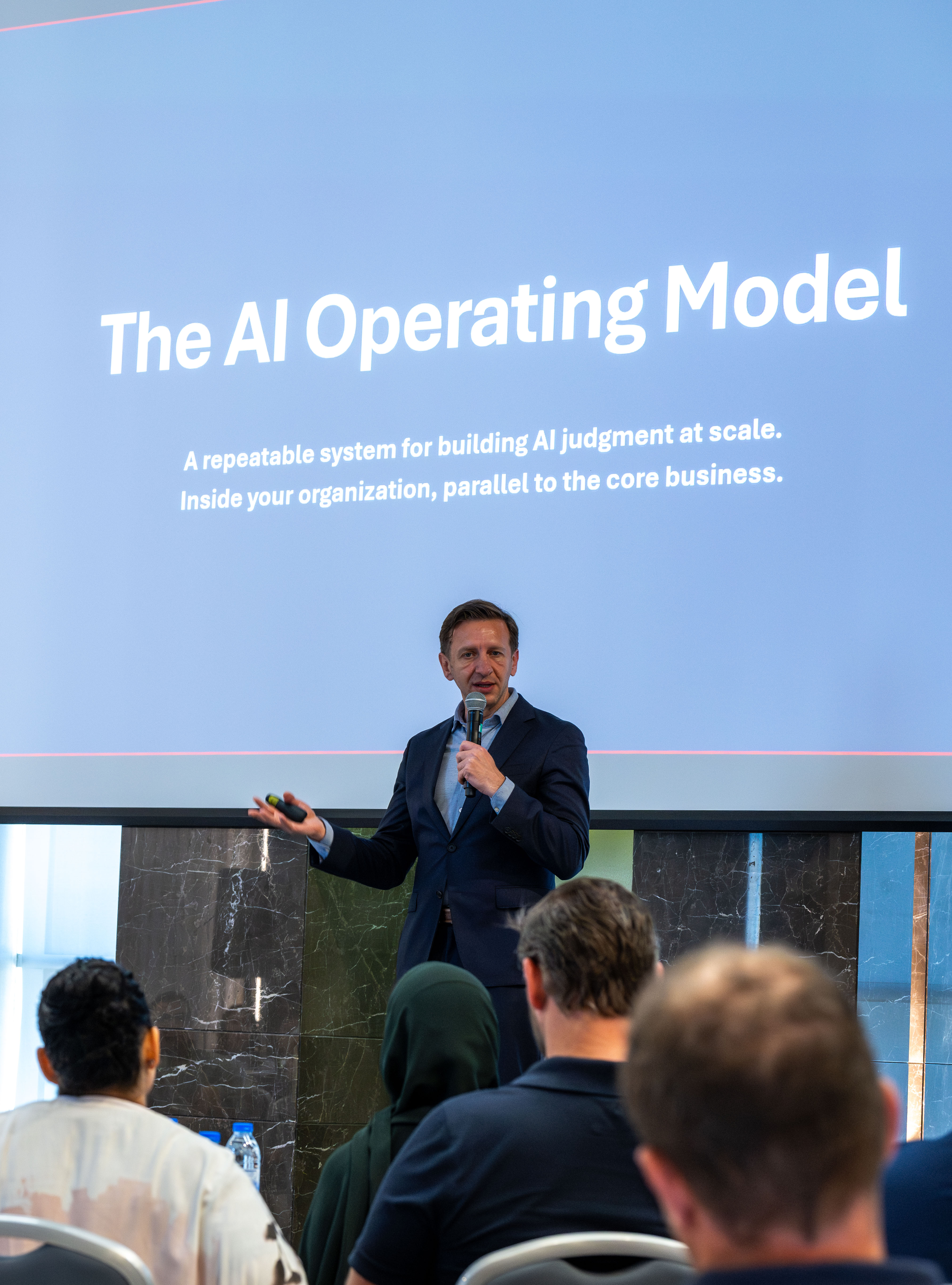
The session ended by introducing the AI Operating Model, the framework that shaped the rest of the program.
Every organization reaching this stage of AI adoption faces the same challenge. Access is no longer the bottleneck. Employees have the tools, they know how to use them, and new ideas appear every day. The harder question is deciding which opportunities deserve investment and which should stop before they consume time and resources.
The AI Operating Model gives the business a repeatable way to answer those questions.
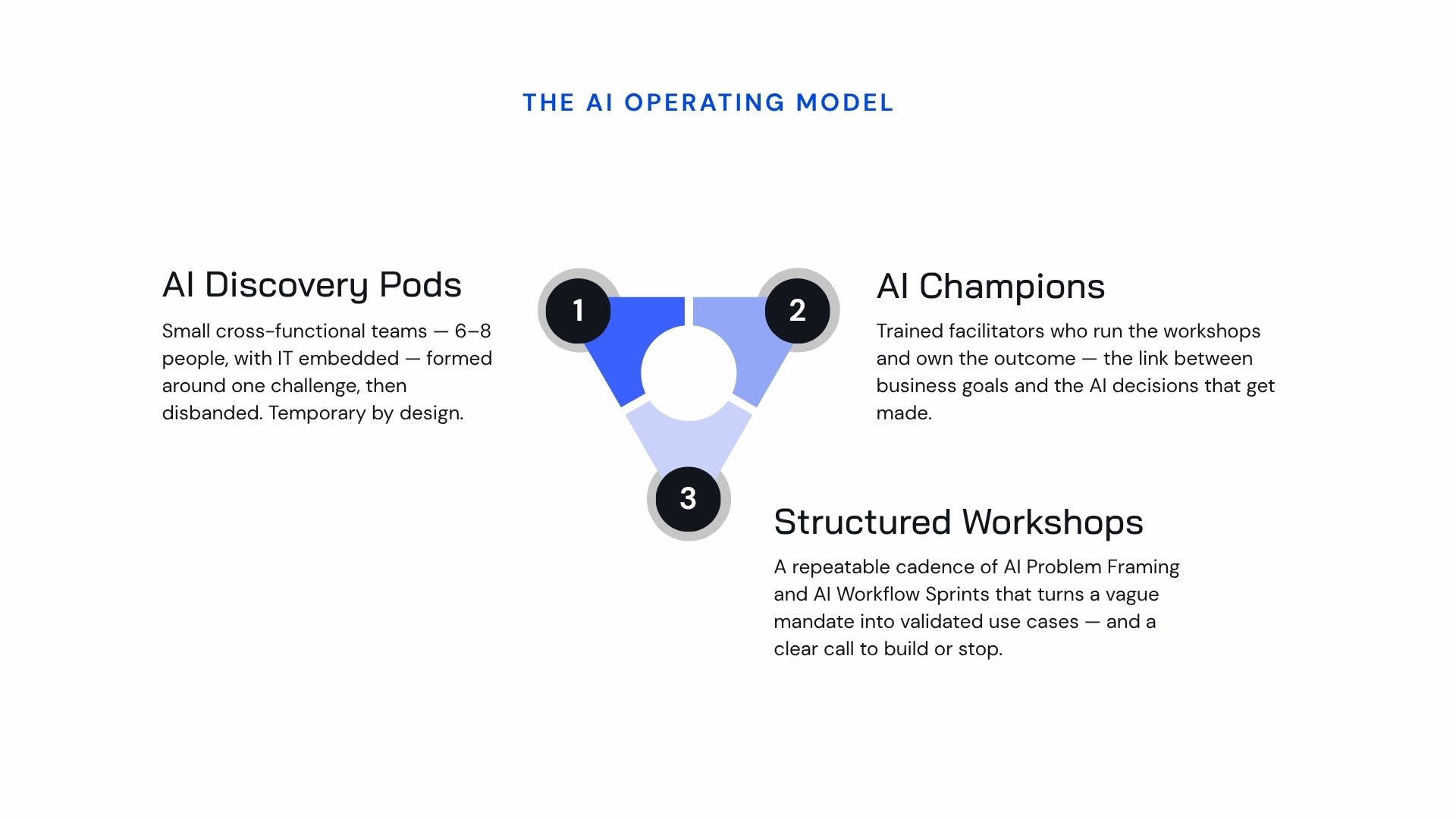
It rests on three connected elements:
- AI Discovery Pods, temporary cross-functional teams formed around a specific business challenge and disbanded once a recommendation is made.
- AI Champions (also referred to as AI Facilitators), trained employees who guide the workshops, connect business priorities to AI opportunities, and keep the process moving.
- A structured workshop cadence, beginning with AI Problem Framing, where strategic priorities are translated into validated use cases, followed by the AI Workflow Sprint, where the highest-value use cases are tested, evaluated, and either scaled, refined, or stopped.
The remaining three days brought this model to life.
After the executive session, the Innovation Champions, executive sponsors, and IT team stayed for the rest of Day 1 to strengthen their practical AI skills. Working alongside Gianluca Mauro from AI Academy, participants focused on writing stronger prompts, handling more complex multi-step tasks, and building simple AI agents they could reuse in their own work.
By the end of the first day, everyone shared the same language, the same framework, and the same understanding of how ideas would move from opportunity to evidence over the rest of the program.
Day 2: From individual ideas to shared priorities
The second day marked an important shift. Up to this point, participants had been building individual capability. From here onward, the focus moved to organizational decision-making.
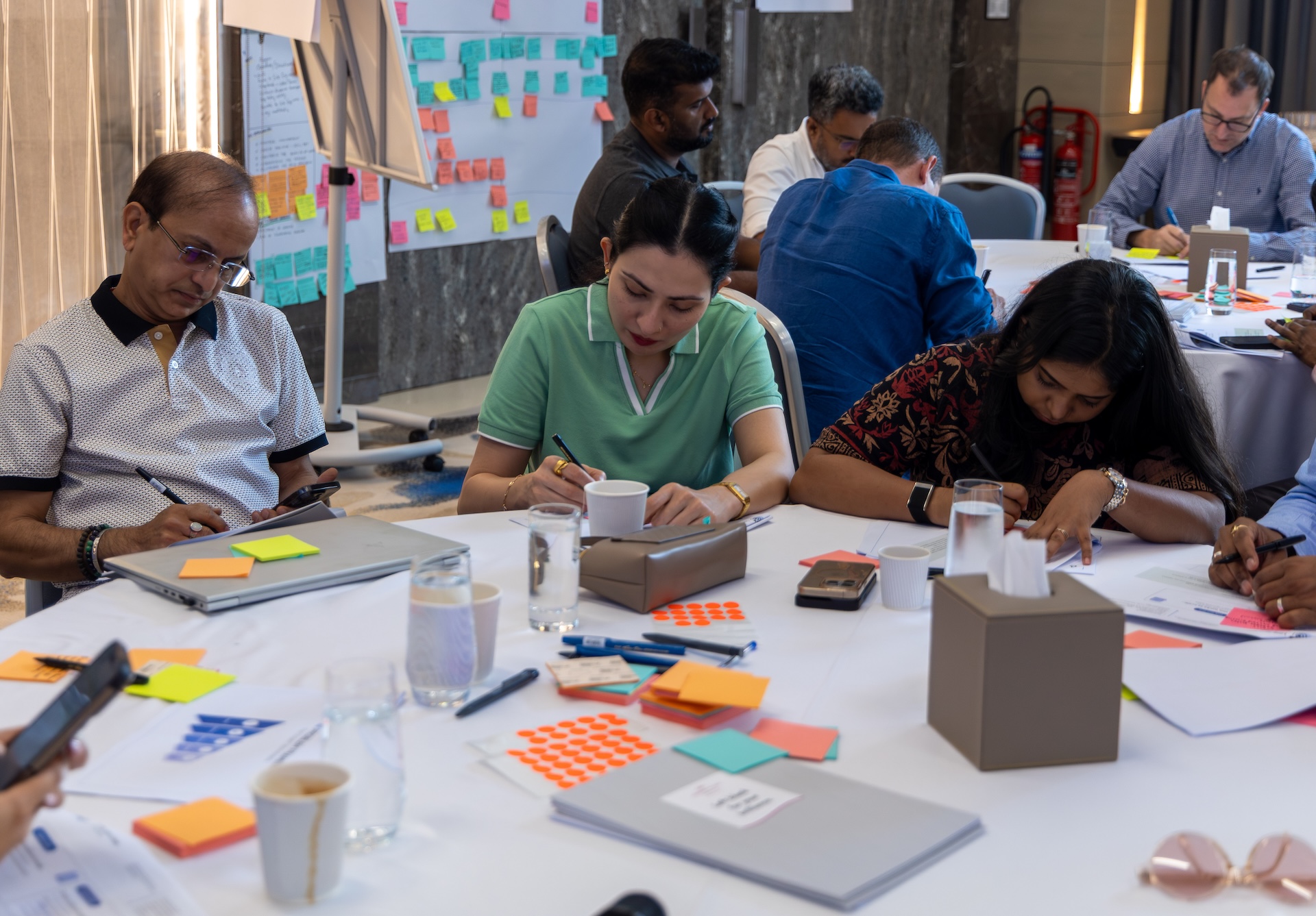
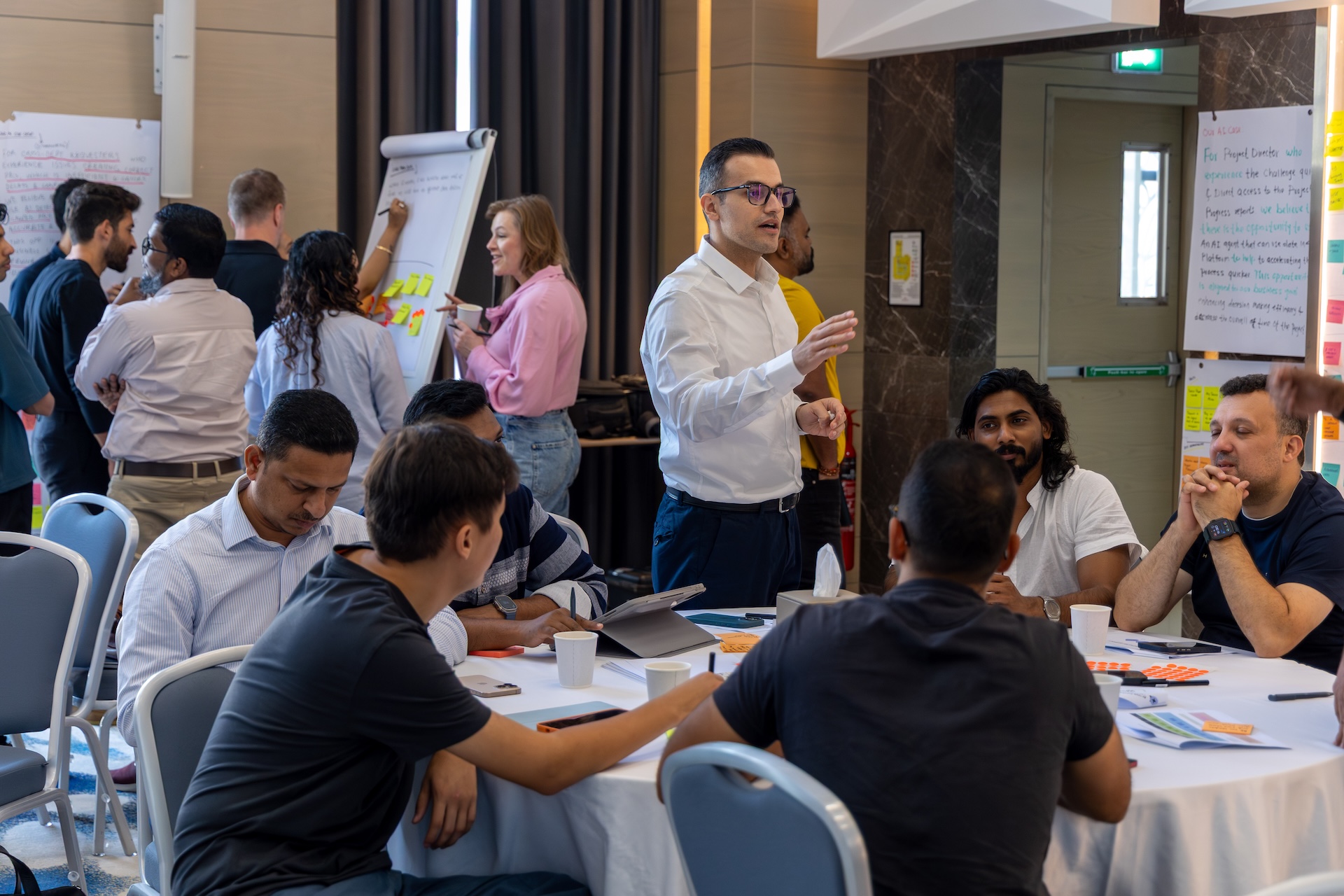
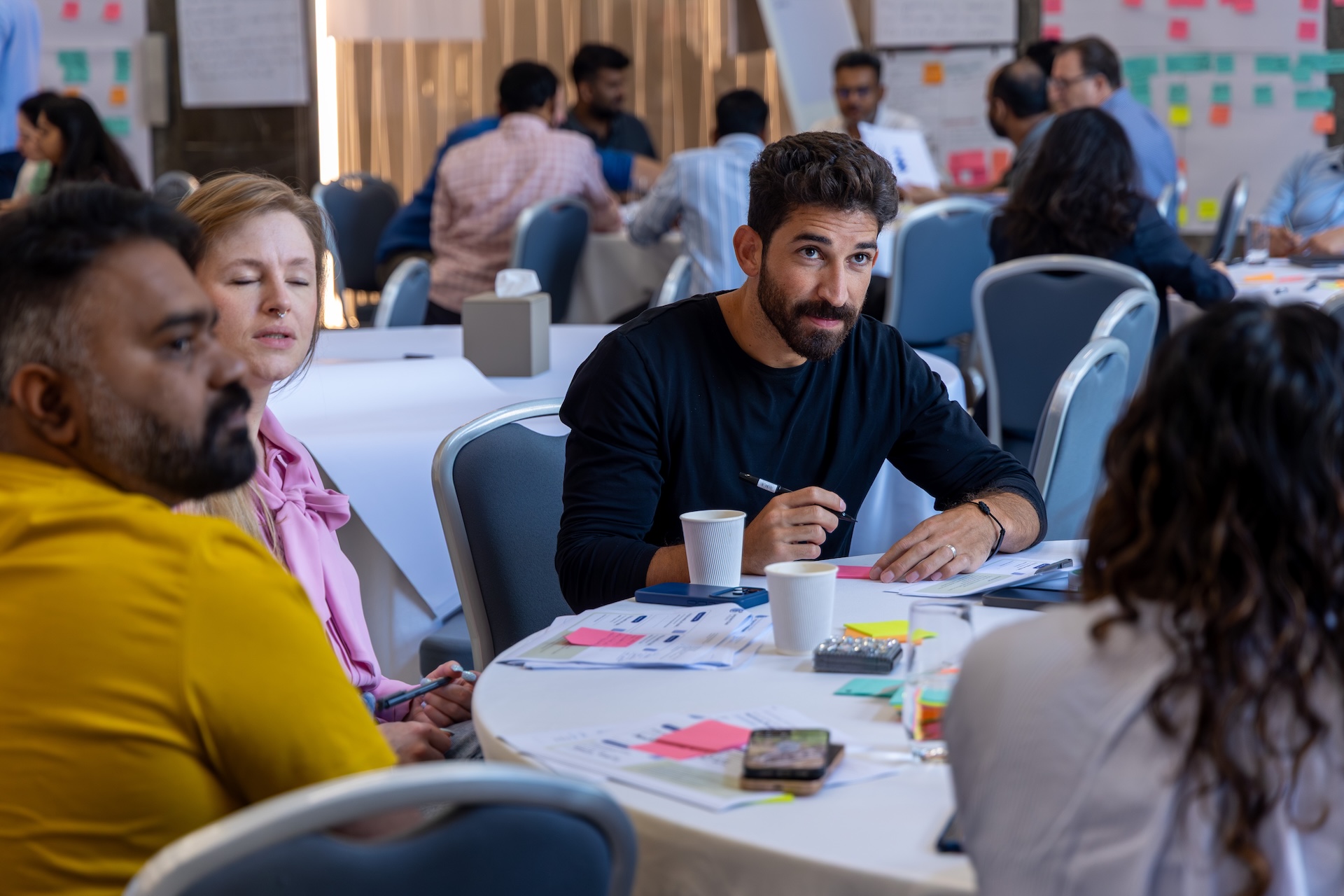
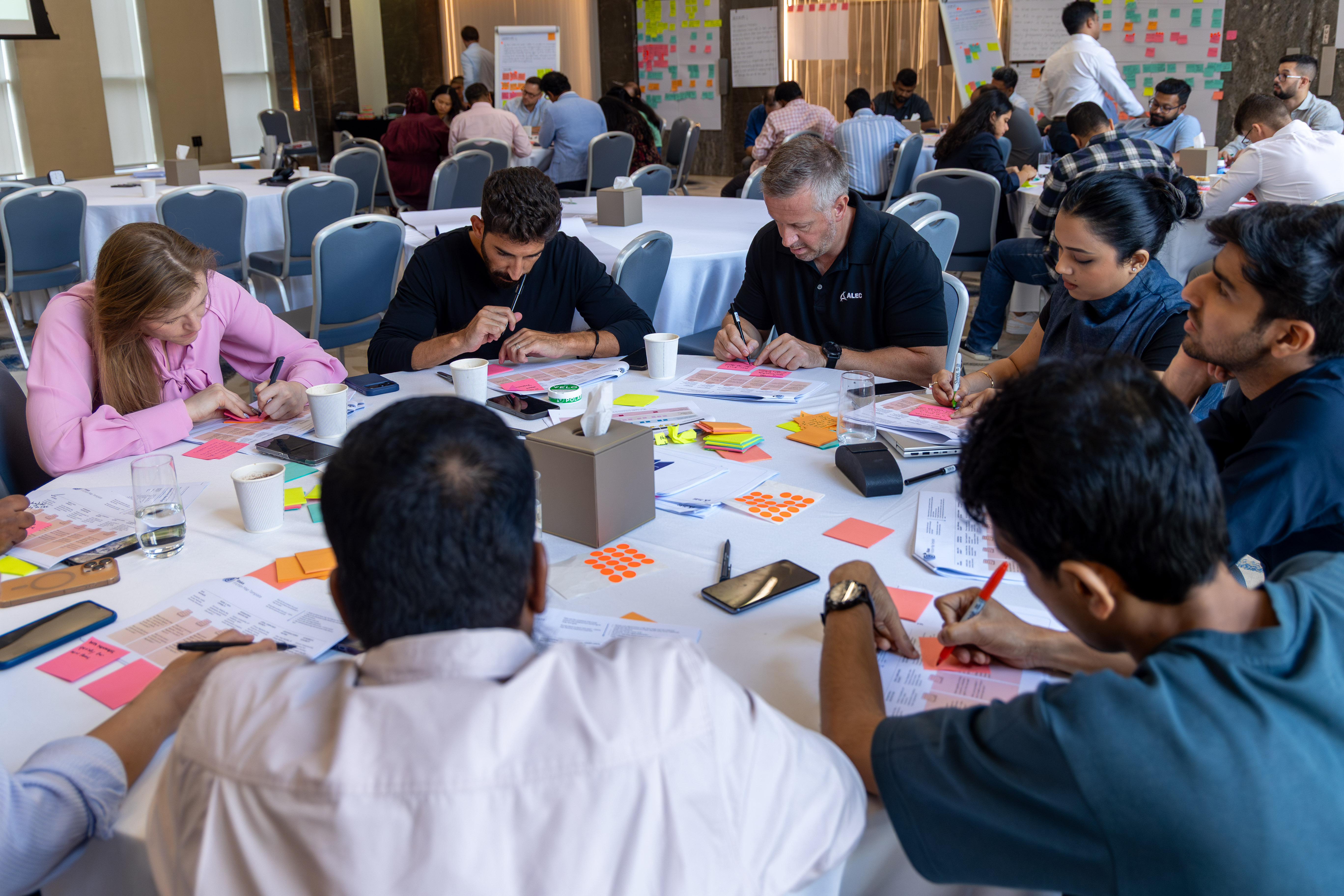
The core cohort of 55 participants was divided into six cross-functional AI Discovery Pods. Each pod combined people from different parts of the business, bringing together operational, technical, and functional perspectives around a single challenge. Rather than asking individuals to champion their own ideas, the program asked teams to reach a shared conclusion.
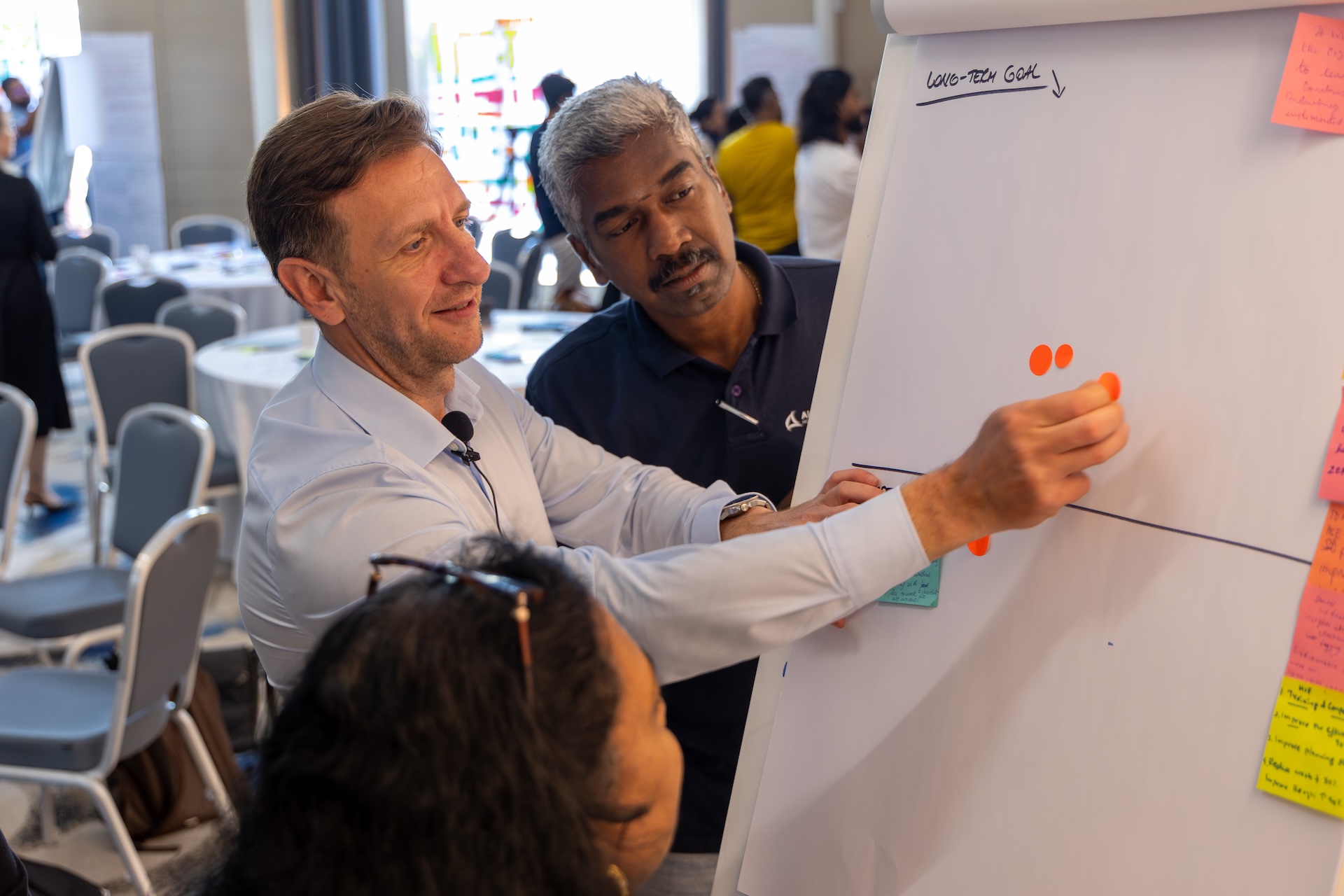
The starting point was a backlog of more than 45 AI opportunities collected from across ALEC. Instead of ranking them by intuition or executive preference, every proposal passed through the same evaluation process.
The first question was strategic: Does this solve a problem the business has already decided matters? The second examined the current way of working: How is the task handled today, and where does the existing process break down? The third focused on value: If this solution existed, what would change, and why should the organization invest in it now rather than later?
The discipline was less about generating ideas than removing weak ones. Many proposals sounded promising in isolation but became less compelling once the underlying business problem, existing workflow, and expected impact were examined together. Others became stronger because the group could connect operational knowledge from multiple functions.
By the end of the day, each Discovery Pod had converged on a single validated use case. Six teams entered the next phase, each with a problem the group understood, supported, and could explain in business terms.
Days 3–4: Turning priorities into AI agent blueprints
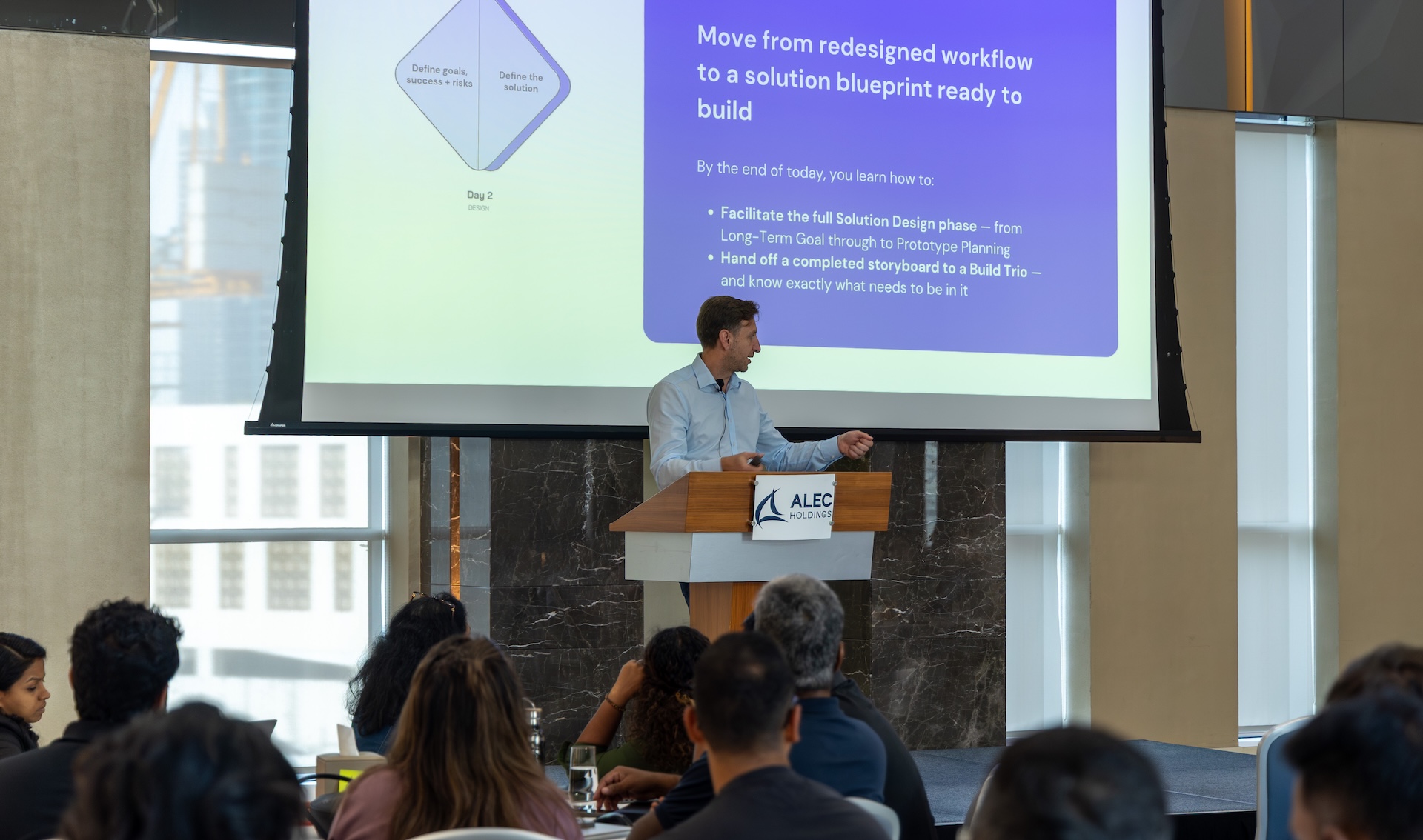
With priorities established, attention shifted from deciding what to build to defining how it would work.
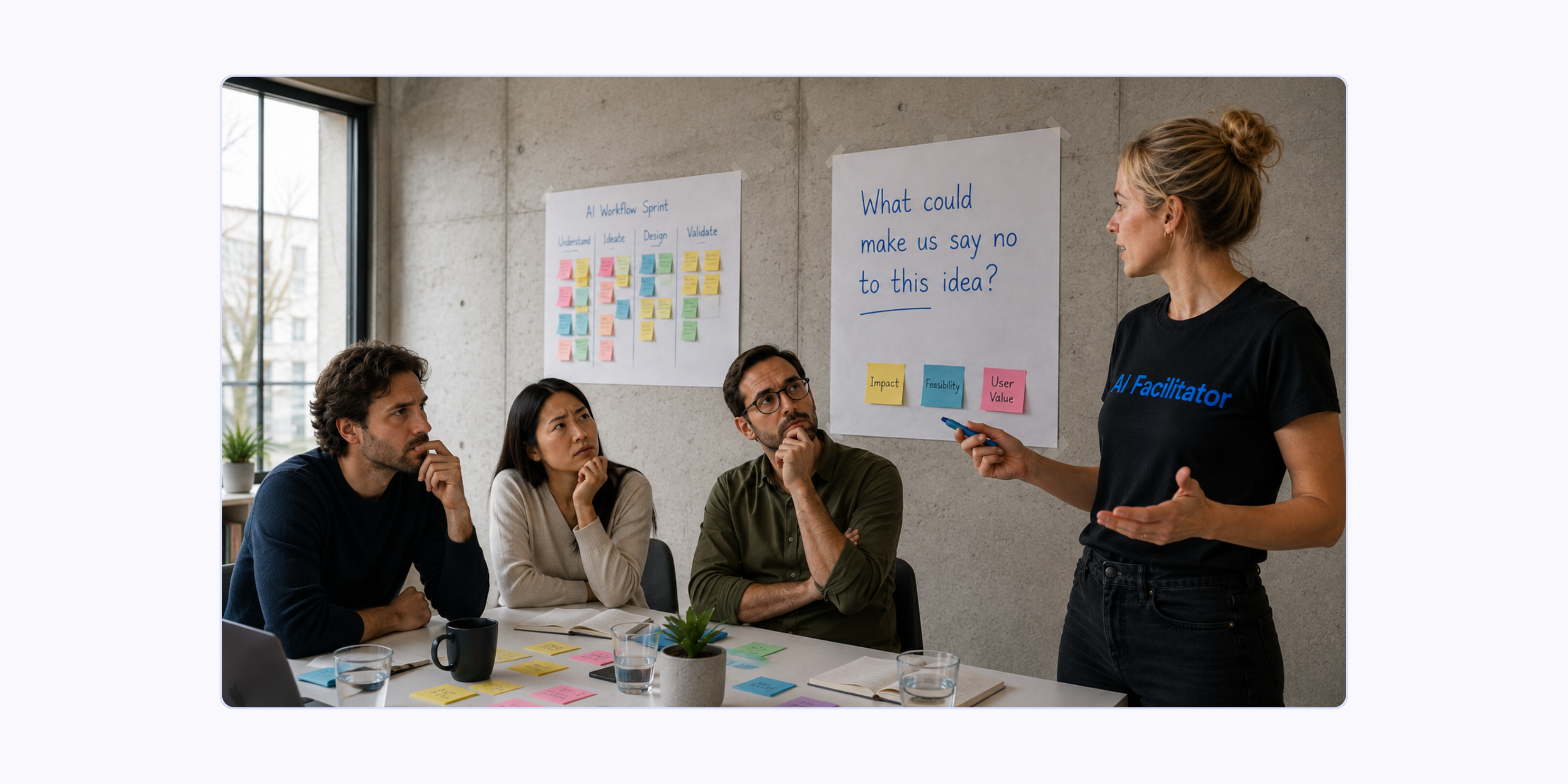
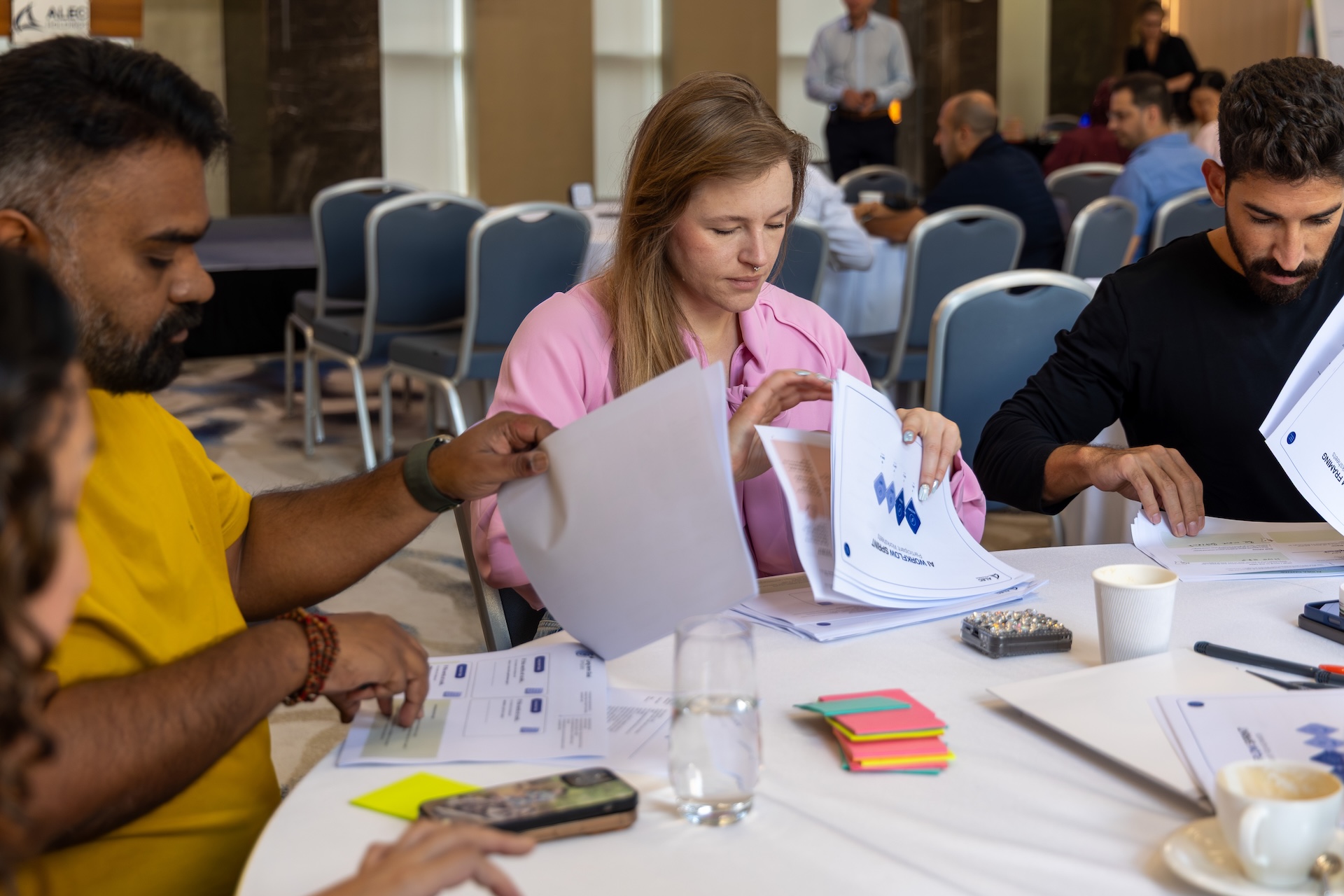
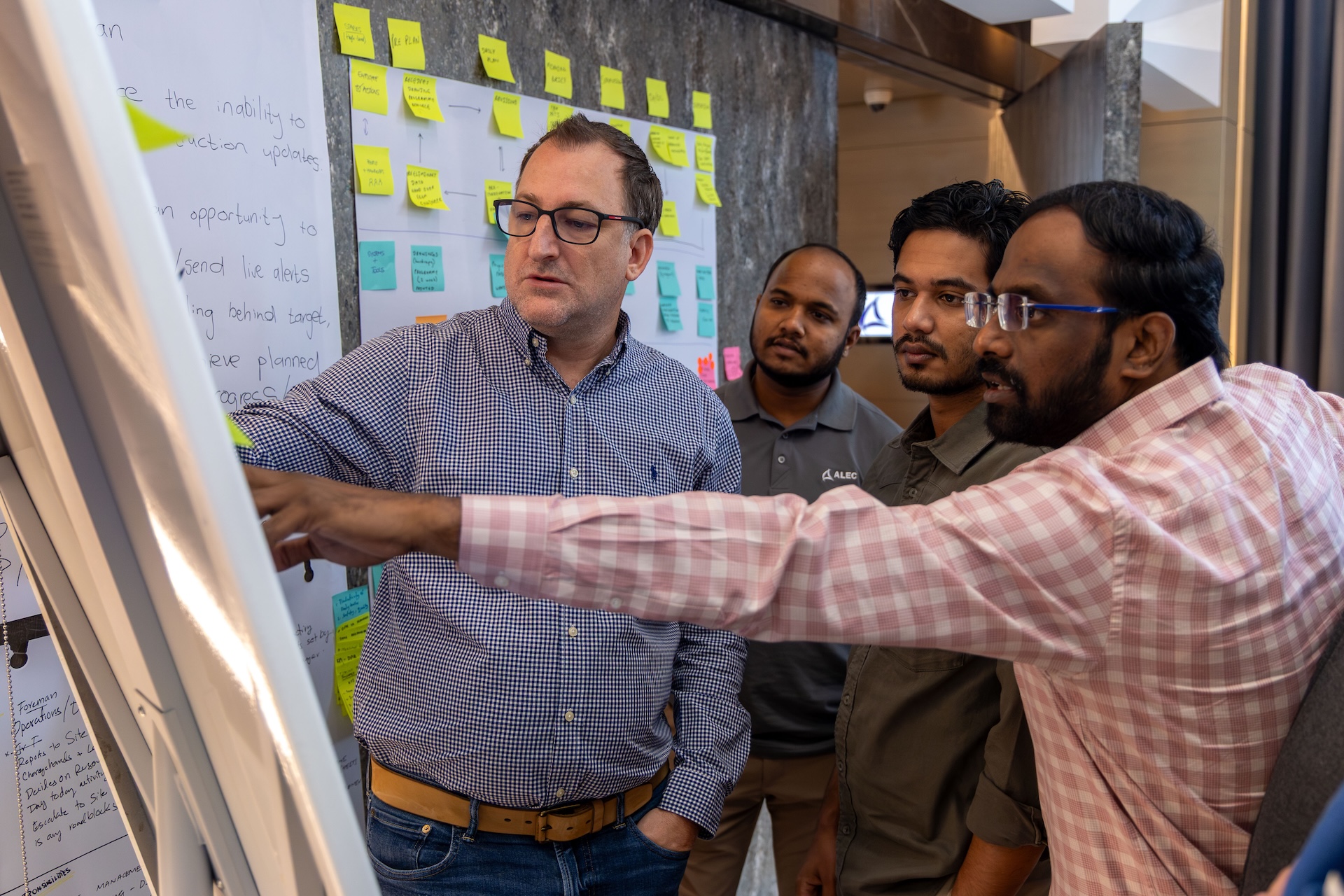
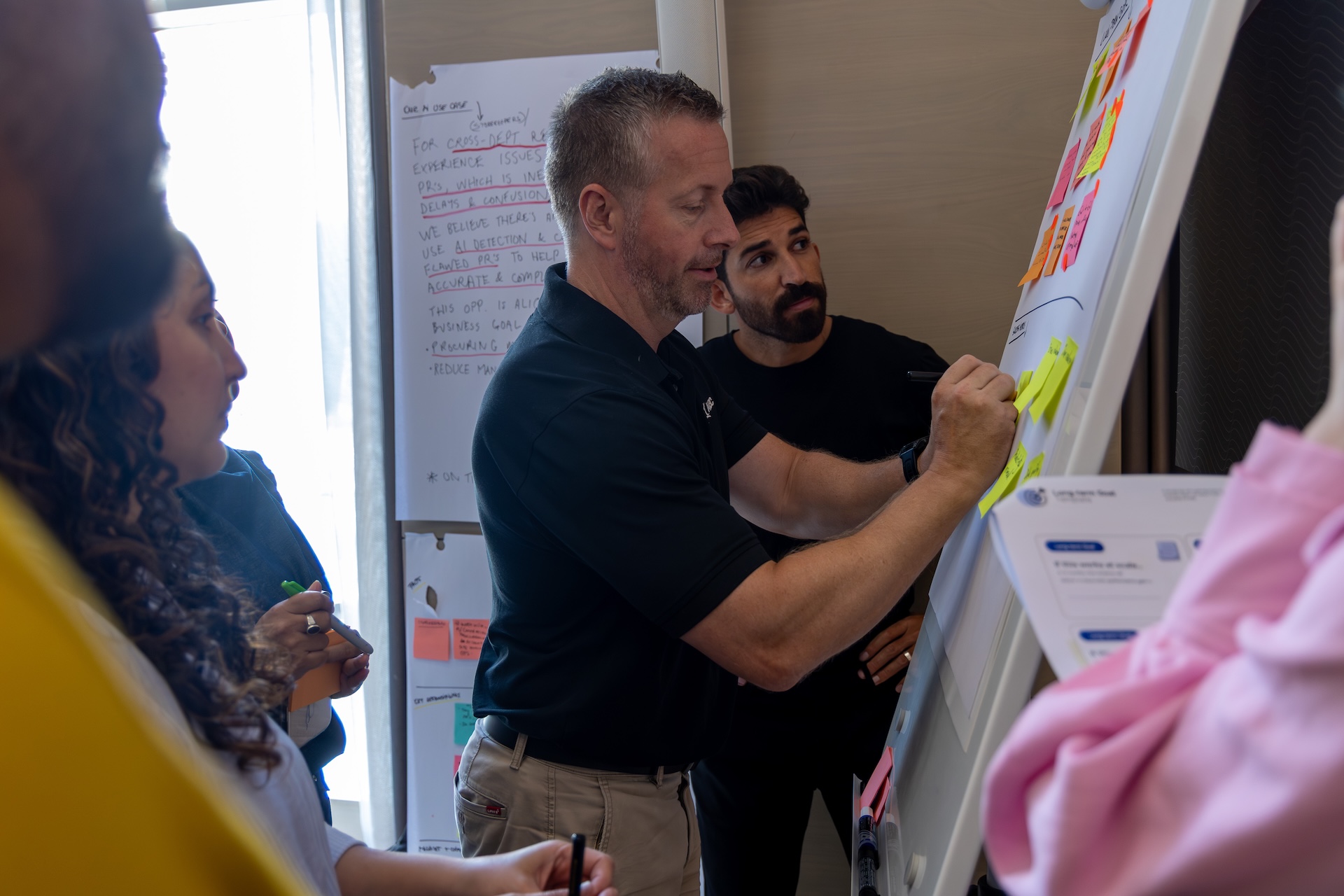
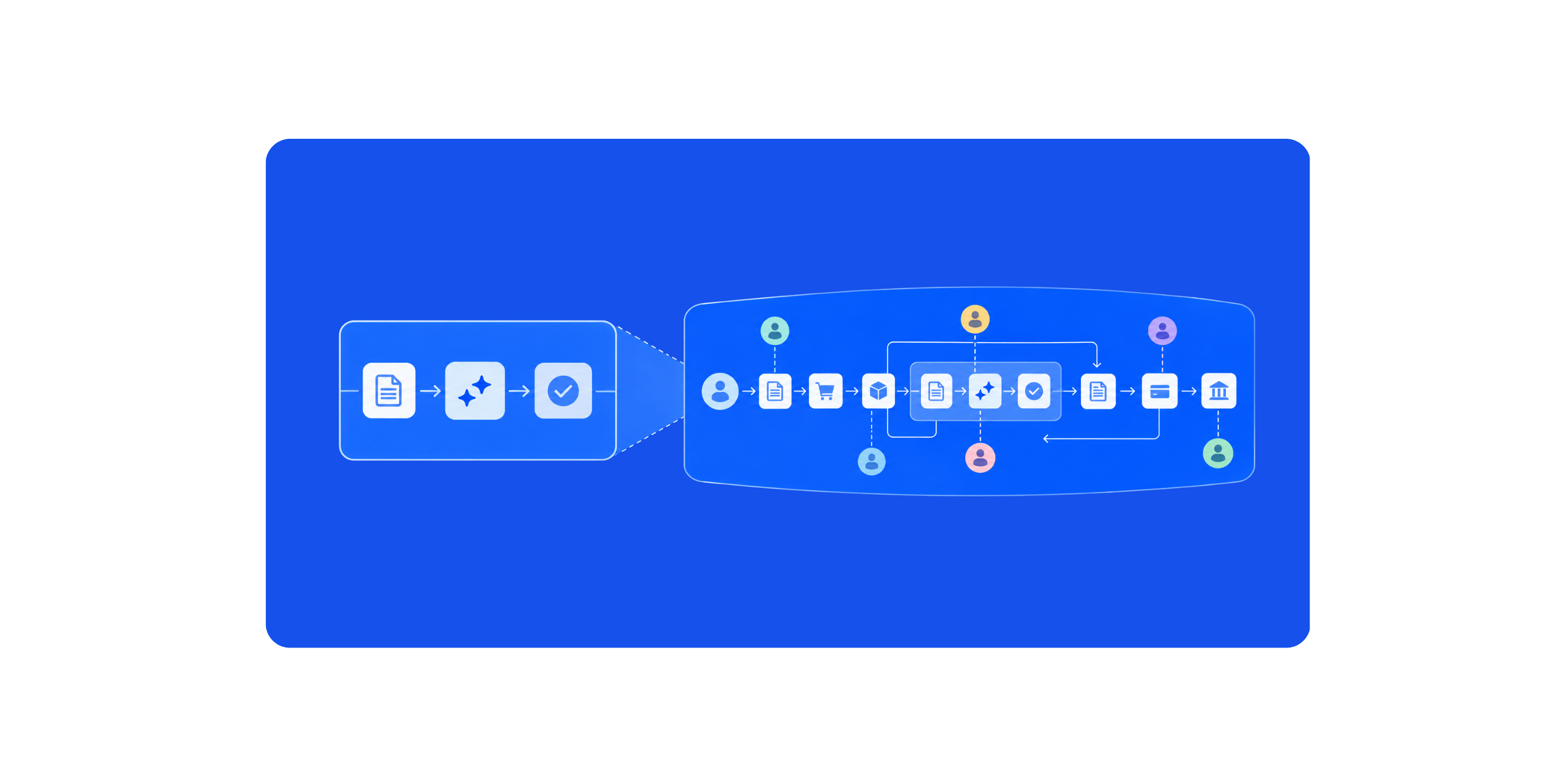
Each Discovery Pod entered an AI Workflow Sprint centred on its validated use case. Rather than beginning with technology, teams mapped the workflow as it existed in practice. The exercise captured the process people followed every day, including manual handoffs, workarounds, duplicated effort, and the informal steps that rarely appear in formal documentation.
Only after the current state was understood did the teams redesign the workflow around AI. The question was no longer whether AI belonged in the process, but where it created the greatest leverage, what information it required, which decisions remained with people, and how work would move between the two.
The result? Each pod produced an AI agent blueprint, defining its role within the workflow, the data it needed, the outputs it would generate, and the points where human judgment remained essential.
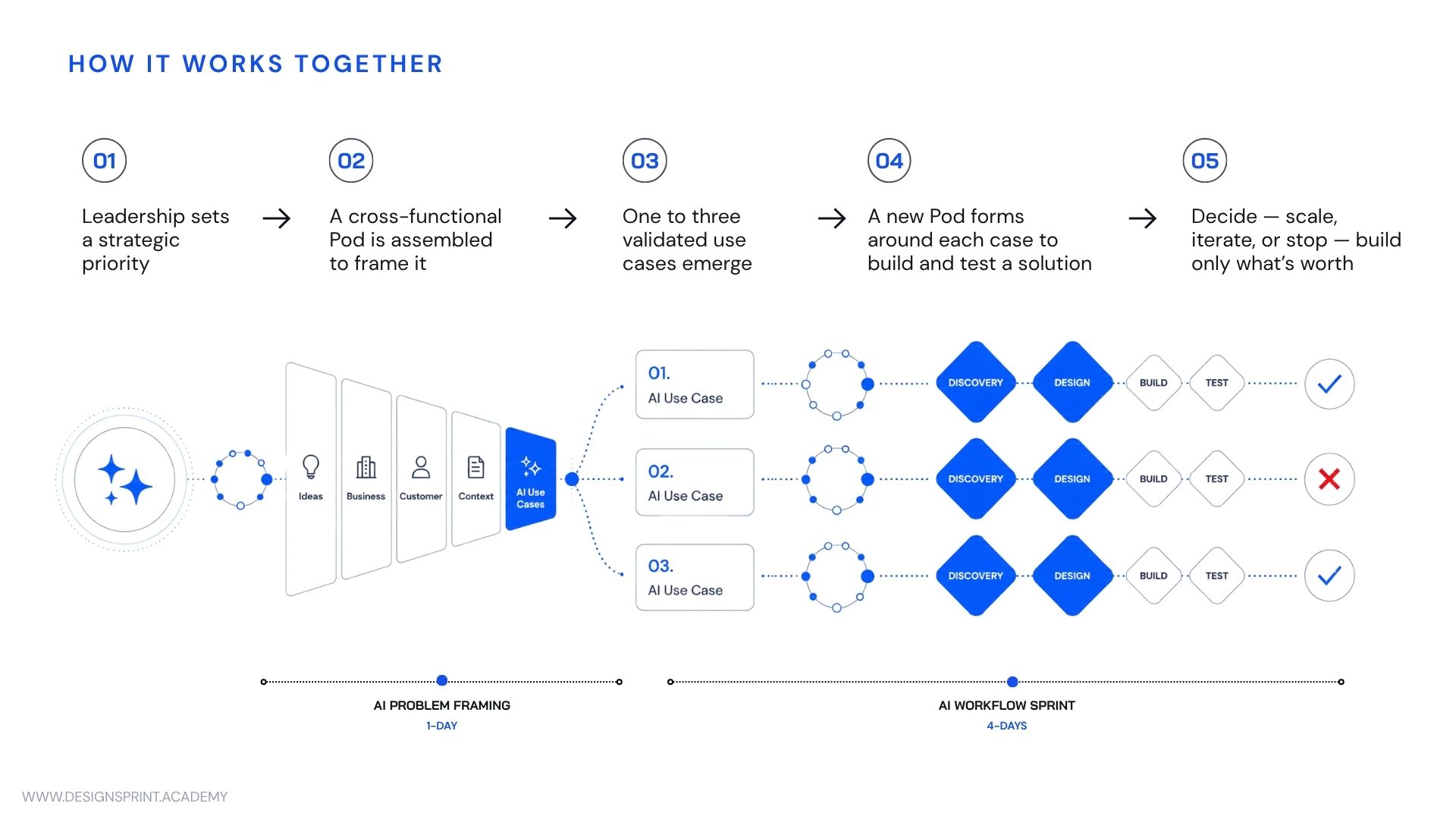
For ALEC, the value of the exercise extended beyond the six blueprints themselves. The organization left with a repeatable process for evaluating opportunities, aligning stakeholders, and translating business priorities into AI initiatives engineering teams could use as a starting point.
The capability being built was not only technical. It was managerial, a systematic way of deciding which ideas deserved investment and how to move from ambition to execution.
What did four days actually produce?
The immediate outputs were tangible. The longer-term outcome was organizational.
By the end of the program, each of the six Discovery Pods had produced three concrete deliverables.
First, every team identified a validated AI use case. These were not selected because they generated the most excitement, but because they emerged from a structured evaluation of business value, operational need, and implementation feasibility. Each recommendation reflected a shared decision, supported by clear reasoning that leadership could review and act on.
Second, each pod redesigned the workflow behind its chosen use case. Rather than layering AI onto an existing process, teams re-examined how work was performed from end to end and identified where AI would remove friction, improve decisions, or eliminate repetitive effort.
Third, every redesigned workflow was translated into an AI agent blueprint. These blueprints defined the agent’s role, required inputs, expected outputs, and interaction with people, providing engineering teams with a practical starting point for implementation rather than a high-level concept.
Equally important was what the program left behind.
55 participants completed the program, with a group of them stepping toward future AI Champion roles. Their value extends well beyond technical familiarity with AI. They now share a common method for identifying opportunities, facilitating cross-functional discussions, and guiding teams from an initial business problem to an evidence-based recommendation.
During the four days, participants learned that successful AI projects rarely begin with technology. They begin with a clear understanding of how work happens today. Only once the current process is visible, including its informal workarounds, manual handoffs, and recurring pain points, does it become possible to redesign it in a meaningful way.
They also learned that the method itself is transferable. Whether the problem involves cash flow forecasting, contract management, project scheduling, or site safety, the same sequence applies: define the business problem, evaluate competing opportunities, redesign the workflow, and determine where AI creates measurable value.
This is what distinguishes a capability-building program from a conventional innovation workshop. Most workshops generate ideas. This program built an internal operating capability, a repeatable process for evaluating opportunities, aligning stakeholders, and turning promising concepts into concrete initiatives. That capability remains long after the six initial projects move into delivery.
.png)