ELM Company — The first time we ran a Design Sprint Training in Saudi Arabia

A first
Every methodology travels. The question is whether it lands.
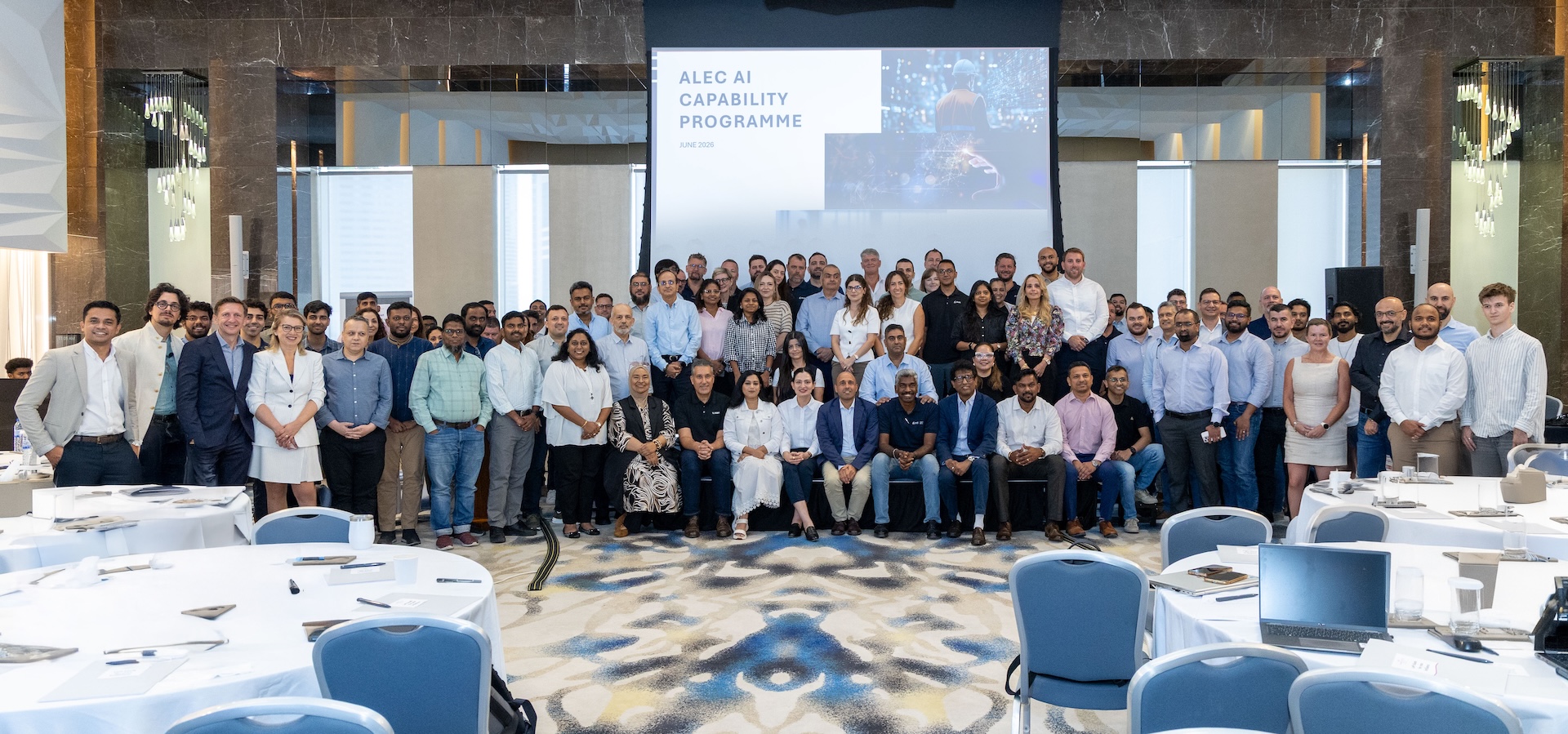
In October 2023, Design Sprint Academy delivered its first training program in Saudi Arabia. The client was ELM Company — one of the country's leading technology organizations, operating at the intersection of digital services and public sector transformation. The program covered all three modules of DSA's internal capability curriculum: Problem Framing, Design Sprint, and Facilitation Training.
Delivering in Riyadh for the first time meant arriving with a question that any honest facilitator asks before entering an unfamiliar context: how much of what we know travels here, and what do we need to learn before we can know?
The answer, as it turned out, was more affirming than uncertain.
What Saudi culture and Design Sprints have in common
Saudi Arabia is a collectivist culture with deep roots in community and collaboration. Historically, survival in the desert required collective intelligence — close-knit support systems, shared decision-making, a strong orientation toward working together rather than alone. That's not a metaphor. It's the cultural substrate that shaped how Saudi teams show up in a room.
This resonates directly with how Design Sprints work. At their core, sprints are built on the same principle: leverage the collective. Bring together people with different knowledge and perspectives, create the conditions for each of them to contribute genuinely, and move faster toward better decisions than any individual could alone.
What the Riyadh engagement confirmed is that this alignment isn't incidental. Saudi teams bring a collaborative instinct that the sprint structure can amplify rather than fight. When the method works with the grain of a culture rather than against it, the facilitation challenge changes. Less energy goes into getting people to engage. More goes into channeling the engagement productively.
What the tensions looked like in practice
The cultural fit is real. So are the tensions worth understanding before you walk into the room.
Tradition and the status quo carry weight. In collectivist environments, challenging established ways of working can feel disruptive in ways it doesn't in more individualist cultures. Design Sprints run on productive disruption — the assumption that the current answer isn't good enough and needs to be examined. Creating space for bold ideas to surface, without making that feel like an attack on what exists, requires deliberate facilitation choices.
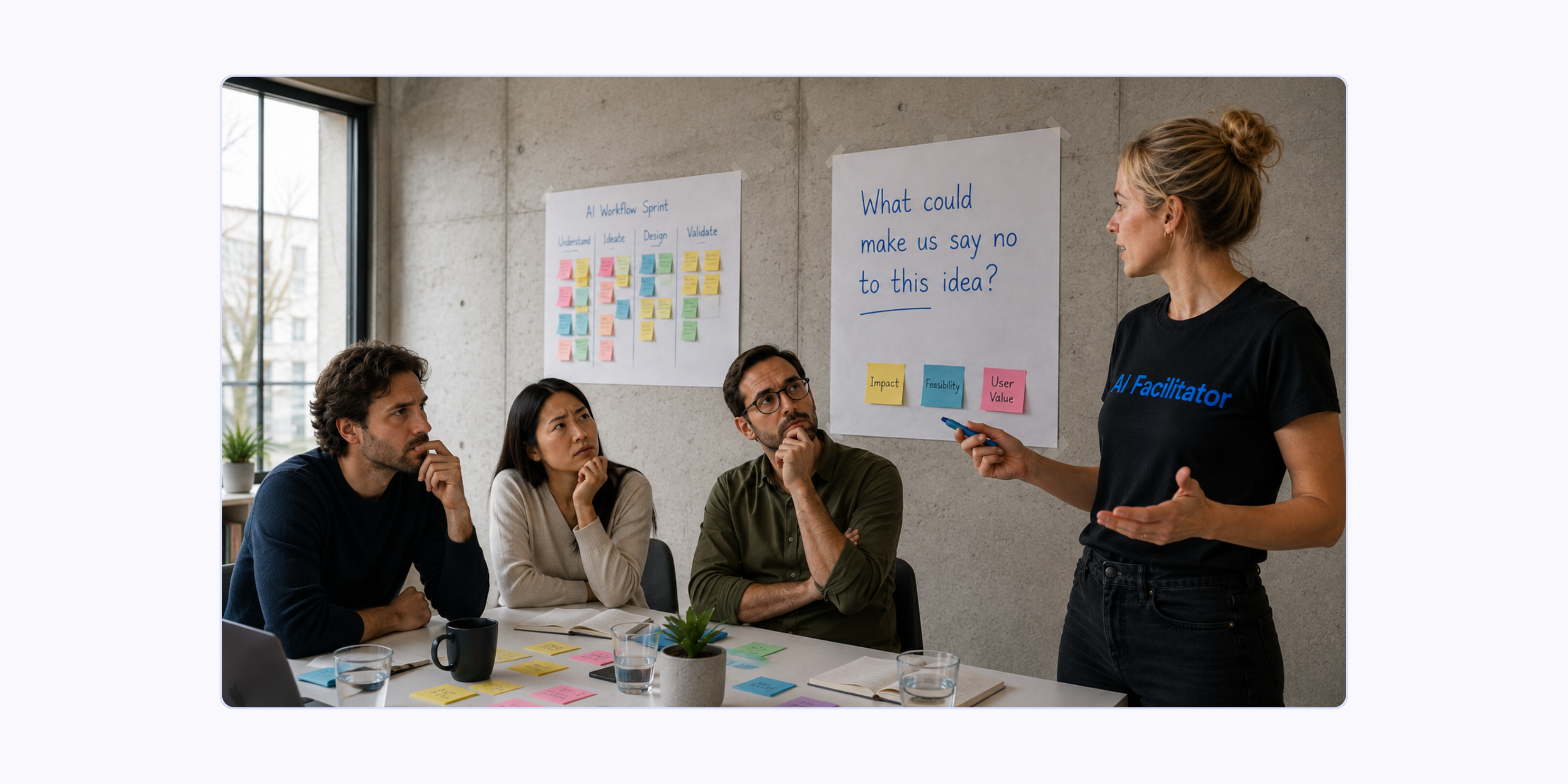
Hierarchy shapes what gets said. Top-down decision-making is real in Saudi organizations, as it is in many large institutions globally. In a group setting, senior voices can close down the room before quieter participants have had space to contribute. The Design Sprint's Together Alone principle — individual ideation before group sharing — addresses this directly. It creates a structural protection for every person's thinking before the group dynamic has a chance to filter it. In practice, this produced noticeably more diverse output than a traditional brainstorming format would have.
Speed feels different here. Organizations shaped by the pace of government services and long-term planning don't automatically shift into the fast, iterative rhythm that Design Sprints require. The accelerated two-day format used with ELM was partly a response to this: giving teams the experience of moving fast within a structure they could trust, rather than asking them to abandon their natural deliberateness without offering anything in its place.
None of these tensions prevented the training from working. They shaped how the facilitation had to be done — and being clear-eyed about them before the session started is what made the difference.
What the program delivered
The three-module program gave ELM's teams a complete capability arc.
Problem Framing Training opened the program with the discipline that determines whether everything that follows heads in the right direction: defining the challenge worth solving before any solution work begins. Teams practiced surfacing assumptions, aligning different stakeholder perspectives, and converting broad mandates into specific, actionable problem statements. The Problem Framing Kit — with 200+ workshop slides, templates, and agendas — gave them the tools to run these sessions independently after training.
Design Sprint Training ran in an accelerated two-day format. Every phase of the full sprint — challenge mapping, individual ideation, group decision-making, prototyping with Uizard AutoDesigner (now part of Miro), and testing — compressed into a window that fit the organization's calendar without sacrificing the integrity of the experience. The Design Sprint Facilitation Kit — 400+ customizable slides, agendas, and checklists refined across hundreds of real sprints — meant that participants leaving the training weren't starting from a blank canvas the next time they needed to run a session.
Facilitation Training turned the program's final phase toward leading rather than participating. Managing group dynamics, holding the sprint structure when rooms get tense or participants push back, asking the questions that move a group forward rather than shutting it down — these are skills that training teaches and practice develops. By the end, selected individuals had the foundation to step into facilitation roles within ELM.
What the first engagement produced
By the end of the program, something specific had shifted. Teams weren't just familiar with the methodology — they were applying it. Individuals who had entered as participants were stepping into facilitation roles. The shared language that a common training experience creates — the vocabulary of problem framing, sprint structure, prototype and test — was already becoming the way ELM teams talked about how to approach complex challenges.
This is what a first engagement is designed to produce. Not a solved problem. Not a finished capability. A foundation — and the evidence that the methodology works inside this organization, with these people, on these kinds of challenges.
That evidence mattered. In 2024, ELM invited Design Sprint Academy back to Riyadh to run the same program with new teams. The first engagement made the second one possible.